Scuba Diving in Andaman
Scuba diving is one of the most popular adventure activities in the Andaman & Nicobar Islands. The islands are surrounded by clear tropical waters, coral reefs and rich marine biodiversity, making them an attractive destination for both first-time divers and experienced scuba divers.
The Andaman & Nicobar Tourism Department lists scuba diving
among the major adventure experiences available to visitors.
Popular diving areas include Swaraj Dweep
(Havelock Island), Shaheed Dweep
(Neil Island) and North Bay.
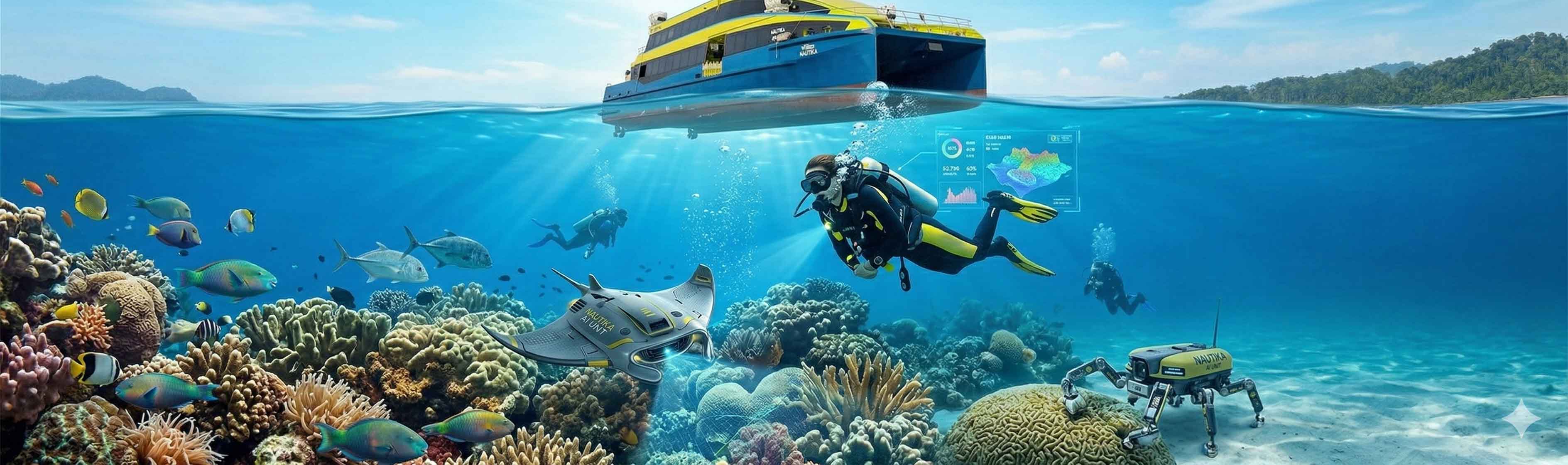
You do not necessarily need to become a certified diver for an introductory experience. Discover Scuba Diving programmes are available for beginners under professional instruction. Always confirm the current age, health, equipment and operator requirements before booking.
Scuba Diving at a Glance
Popular Locations
Swaraj Dweep, Shaheed Dweep and North Bay.
For Beginners
Discover Scuba Diving programmes are available.
Certification
PADI and SSI certification options are available through diving centres.
Best Places for Scuba Diving in Andaman
Swaraj Dweep (Havelock Island)
Swaraj Dweep, popularly known as Havelock Island, is one of the principal scuba diving destinations in the Andaman Islands.
The island has several diving operators and dive sites. Popular areas mentioned by tourism sources include Nemo Reef, Elephant Beach and other reef locations.
Havelock is particularly suitable for travellers who want to combine diving with beaches, resorts and other water activities.
Shaheed Dweep (Neil Island)
Shaheed Dweep, formerly known as Neil Island, offers a quieter island environment and underwater experiences around its coral reefs.
It is an excellent option for travellers who want to combine scuba diving with a relaxed island stay.
North Bay Island
North Bay is one of the well-known diving and water-sports locations accessible from the Port Blair/Sri Vijaya Puram area.
Its accessibility makes it useful for visitors who have limited time and want to experience an underwater activity without staying on another island.
Types of Scuba Diving Available
1. Discover Scuba Diving
Discover Scuba Diving is designed for people who want to experience scuba diving without immediately undertaking a full certification course. The activity normally includes an instructor briefing, equipment orientation and a supervised underwater experience.
2. Certified Fun Dives
Certified divers can join guided fun dives to explore underwater reefs and marine habitats. The appropriate dive site depends on certification, experience, weather and local operating conditions.
3. Open Water Certification
Travellers interested in becoming certified divers can undertake recognised scuba certification courses such as PADI or SSI programmes through appropriate diving centres.
4. Advanced Diving
Experienced certified divers can explore more advanced dive sites depending on their qualification, logged experience, weather and operator assessment.
5. Live-aboard Diving
The Andaman Tourism Department also lists live-aboard diving among the available diving options. These trips allow divers to spend several days on a diving vessel and reach more remote areas.
Live-aboard diving is generally more appropriate for experienced divers and must be planned with a qualified operator.
Do not select a dive solely because a site is advertised as exciting or deep. Your instructor or dive operator should decide whether a particular site is appropriate for your certification, experience and the day's sea conditions.
Is Scuba Diving Suitable for Beginners?
Yes. Beginners can participate in introductory scuba experiences under the supervision of qualified diving professionals.
However, every person should follow the operator's medical and safety requirements. Being comfortable in the water, following instructions and maintaining calm breathing are important for a positive diving experience.
Can Non-Swimmers Go Scuba Diving?
Some introductory scuba programmes are designed for non-swimmers or people with limited swimming ability, depending on the operator and programme.
However, swimming ability may be required for formal certification courses and specific diving activities. Requirements can also differ between operators.
Therefore, tell the dive centre honestly about your swimming ability before booking.
Best Time for Scuba Diving in Andaman
The official Andaman & Nicobar Tourism information lists October to May as a favourable tourism period, while specific diving conditions depend on weather, sea state, visibility and local operating conditions. :contentReference[oaicite:2]{index=2}
| Period | General Consideration |
|---|---|
| October – May | Generally favourable tourism and diving season, subject to daily sea and weather conditions. |
| June – September | Monsoon conditions can affect sea conditions and activity operations. Always confirm with the local operator. |
Scuba Diving Safety Guidelines
Scuba diving is an adventure activity and should always be undertaken through an authorised and professionally operated diving centre.
- Follow the complete briefing provided by your instructor.
- Use properly maintained scuba equipment.
- Never dive alone.
- Do not dive under the influence of alcohol or drugs.
- Inform the instructor about medical conditions or medications before diving.
- Never hold your breath while scuba diving.
- Follow the dive plan and depth limitations.
- Follow the instructor's instructions regarding currents, weather and sea conditions.
- Do not touch, stand on or damage coral reefs.
- Maintain appropriate distance from marine animals.
Important Diving Rules
The Andaman & Nicobar Administration has published guidelines for scuba diving centres and diving activities. The guidelines include requirements relating to dive planning, weather conditions, diver qualification, equipment and prohibited diving conditions. :contentReference[oaicite:3]{index=3}
The published guidelines also state that dives should not be undertaken less than 24 hours before flying in a pressurised aircraft. Divers should therefore plan their final dive and flight carefully. :contentReference[oaicite:4]{index=4}
Always follow the current guidance of your dive centre regarding the required surface interval before flying. Do not assume that a last-minute dive immediately before a flight is safe.
Scuba Diving Equipment
A typical scuba diving setup can include a mask, fins, wetsuit or exposure protection, buoyancy control device, regulator, cylinder, weights and other safety equipment.
Most recreational visitors do not need to purchase their own equipment. Diving centres generally provide the required equipment as part of the activity or course.
Marine Life You May See
The waters around the Andaman Islands contain diverse marine habitats and coral ecosystems. Depending on the location and conditions, divers may encounter colourful reef fish, corals, sea turtles and other marine life.
Marine sightings are never guaranteed. Divers should observe animals responsibly and avoid touching coral, feeding wildlife or disturbing marine organisms.
Scuba Diving Cost in Andaman
Scuba diving prices vary depending on the type of dive, location, duration, equipment, certification programme, boat transfer and the individual operator.
| Activity | Typical Pricing Structure |
|---|---|
| Discover Scuba Diving | Usually sold as a package including briefing, equipment and supervised dive. |
| Certified Fun Dive | Pricing depends on number of dives, boat/shore entry and dive location. |
| Open Water Course | Higher cost because it includes training, theory, practical sessions and certification. |
| Advanced Courses | Cost varies according to certification and speciality. |
Always confirm the current price directly with the authorised diving centre before booking.
How to Book Scuba Diving in Andaman
- Choose the island where you will stay.
- Select a registered/authorised diving centre.
- Tell the operator whether you are a beginner, non-swimmer or certified diver.
- Check the activity type and duration.
- Confirm what equipment is included.
- Ask about weather and cancellation policies.
- Confirm reporting time and transfer arrangements.
- Follow the complete safety briefing before entering the water.
Choose an Authorised Scuba Diving Centre
The Directorate of Tourism, Andaman & Nicobar Administration publishes information about permitted scuba diving operators. Before booking, visitors should verify that the centre is currently authorised and that its permission is valid for the intended activity and location.
The official tourism scuba-diving information includes separate operator information for Swaraj Dweep and Shaheed Dweep. :contentReference[oaicite:5]{index=5}
Official Andaman Tourism Website ↗Responsible Scuba Diving
The underwater environment is one of the most valuable natural assets of the Andaman Islands. Responsible tourism helps protect coral reefs and marine life for future generations.
- Do not touch coral.
- Do not collect shells, corals or marine organisms.
- Do not feed fish unless specifically permitted under approved activity guidelines.
- Maintain neutral buoyancy and avoid kicking coral.
- Do not throw plastic or waste into the sea.
- Follow marine park and local environmental rules.
Frequently Asked Questions
Can beginners do scuba diving in Andaman?
Yes. Introductory Discover Scuba Diving programmes are available for beginners under professional supervision.
Which is the most popular island for scuba diving?
Swaraj Dweep (Havelock Island) is one of the principal scuba diving destinations in the Andaman Islands and has many diving operators and sites.
Can I scuba dive if I cannot swim?
Some introductory programmes accept non-swimmers, but requirements vary. Formal certification and particular activities may require swimming skills.
Is scuba diving available in Neil Island?
Yes. Shaheed Dweep (Neil Island) is one of the recognised scuba diving locations in the Andaman Islands.
What is the best month for scuba diving?
October to May is generally considered a favourable tourism period, but actual diving depends on daily sea, weather and visibility conditions.
How long before a flight should I stop diving?
Follow the current guidance of your dive operator and recognised diving safety guidance. The published Andaman diving guidelines prohibit diving less than 24 hours before flying in a pressurised aircraft.
Do I need to buy scuba equipment?
No. Recreational visitors normally use equipment provided by the diving centre as part of the dive or course package.
This page is intended for general travel and informational purposes. Scuba diving is an adventure activity and should only be undertaken through an appropriately authorised and professionally operated diving centre. Diving prices, operator permissions, age requirements, locations, availability, weather conditions and safety procedures can change. Always confirm the latest information directly with the diving operator and the Andaman & Nicobar Tourism Department before booking.